In the specialized supply chain of biochemical raw materials, rigorous quality assurance is non-negotiable. For laboratories, compounding facilities, and cosmetic manufacturers, the integrity of incoming materials dictates the reliability of downstream applications. Analytical testing peptides represents a critical checkpoint in this supply chain, ensuring that every batch meets stringent specifications for identity, purity, and structural integrity before it enters formulation or research workflows.
The Critical Role of Analytical Testing Peptides in QA
Raw material sourcing for complex biomolecules requires a multi-tiered verification process. Unlike simple chemical compounds, peptides are susceptible to synthesis errors, truncations, and degradation. Therefore, analytical testing peptides is not merely a regulatory formality; it is the foundation of supply chain integrity. Establishing robust Quality protocols ensures that materials used in sensitive environments perform consistently.
When procuring research compounds or formulation ingredients, buyers must demand comprehensive documentation. A reliable supplier will provide a detailed Certificate of Analysis (COA) for every batch. This document, verified through independent or in-house COA auditing processes, serves as the primary proof of compliance, detailing the exact analytical methods used to characterize the material.
Core Analytical Methods for Peptide Characterization
The characterization of peptide raw materials relies on two primary analytical pillars: chromatography for purity assessment and spectrometry for identity verification. Together, these methods provide a complete structural profile of the synthesized molecule.
High-Performance Liquid Chromatography (HPLC)
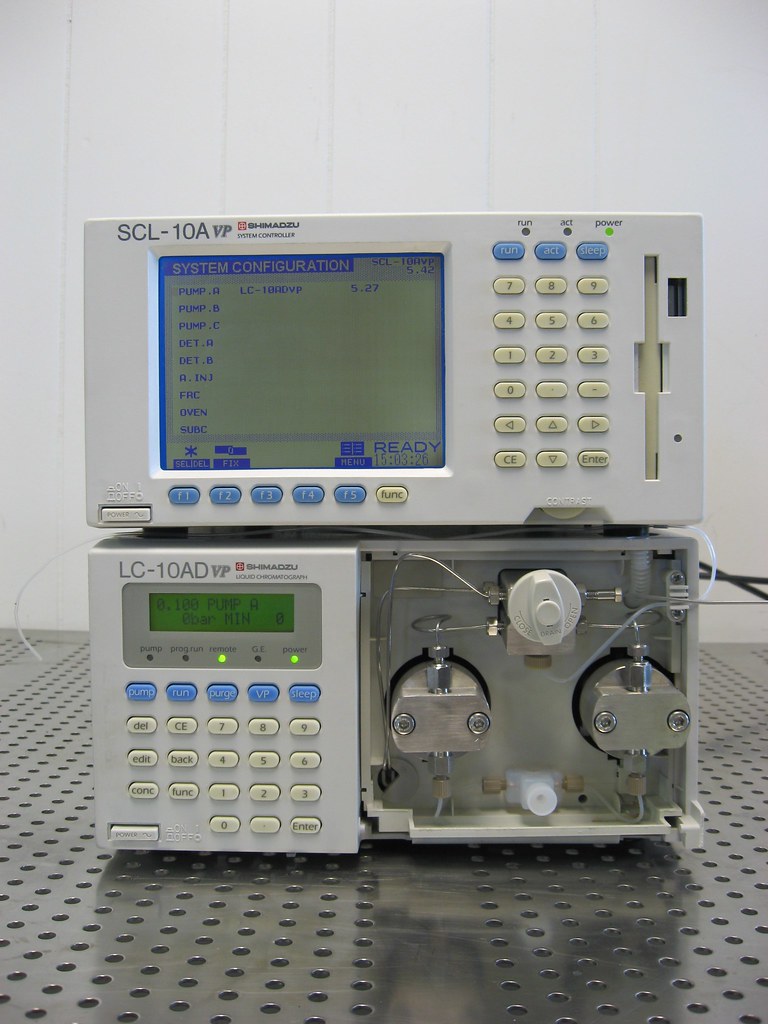
Reverse-phase HPLC is the industry standard for determining peptide purity. By utilizing a non-polar stationary phase and a polar mobile phase, HPLC separates the target peptide from synthesis by-products, truncated sequences, and impurities. The resulting chromatogram provides a visual and quantitative representation of purity. For high-grade raw materials, a purity threshold of 98% or higher is typically required, ensuring that the target sequence dominates the sample profile.
Mass Spectrometry (MS) for Identity Verification
While HPLC confirms purity, it does not definitively prove molecular identity. This is where Mass Spectrometry becomes essential. Techniques such as Electrospray Ionization (ESI) or Matrix-Assisted Laser Desorption/Ionization (MALDI) measure the mass-to-charge ratio of the peptide ions. By comparing the observed molecular weight against the theoretical weight of the target sequence, analysts can confirm the exact amino acid composition and identify any unexpected modifications or deletions.
Evaluating Complex Sequences and Modifications
The complexity of the peptide sequence directly influences the analytical strategy. Short, linear peptides are generally straightforward to analyze. However, longer chains, cyclic peptides, or those with complex lipidation and pegylation require advanced method development.
For instance, in the receptor research landscape, compounds like Semaglutide feature a fatty acid side chain that significantly alters their hydrophobicity and mass. Analytical testing peptides of this complexity requires optimized gradient elution in HPLC and high-resolution mass spectrometry to accurately resolve the modified structure from unmodified variants.
Similarly, in cosmetic and dermatological research, molecules like GHK-Cu require precise quantification of both the peptide backbone and the copper conjugation. Ensuring the correct stoichiometry and purity of such complexes is vital for formulation stability.
| Analytical Technique | Primary Function | Key Parameters Evaluated |
|---|---|---|
| Reverse-Phase HPLC | Purity and Separation | Retention time, peak area, impurity profile |
| Mass Spectrometry (ESI/MALDI) | Identity and Mass Verification | Molecular weight, sequence confirmation, modifications |
| Amino Acid Analysis (AAA) | Compositional Verification | Hydrolyzed residue quantification, sequence validation |
| Karl Fischer Titration | Moisture Content | Water content, lyophilization efficiency |
Supply Chain Integrity and Documentation
The efficacy of analytical testing peptides is only as strong as the supply chain protocols supporting it. From initial synthesis to final delivery, materials must be handled under controlled conditions to prevent degradation. General lab handling guidelines dictate that lyophilized peptides should be stored in desiccated, temperature-controlled environments to maintain long-term stability.
For organizations engaged in OEM/ODM manufacturing, traceability is paramount. Every batch must be linked to its raw material lot, analytical data, and handling records. This end-to-end traceability ensures that if any anomalies arise during downstream processing, the root cause can be rapidly identified and isolated.
Ultimately, partnering with a supplier that prioritizes transparent, science-backed analytical testing peptides protocols mitigates risk and ensures that your research or formulation initiatives are built on a foundation of verified, high-quality raw materials.
PeptaCo supplies materials for qualified research, analytical, and formulation-development purposes. Products are not intended for direct consumer use.