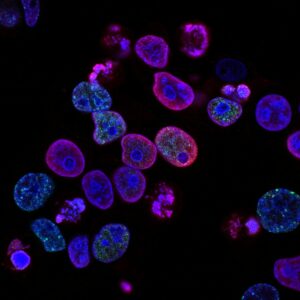
The analytical evaluation of peptide raw materials requires a multifaceted approach to ensure structural integrity and biological safety. While techniques like HPLC and Mass Spectrometry are foundational for verifying sequence identity and chemical purity, assessing biological contaminants remains equally critical. For high-value research compounds such as Semaglutide and Tirzepatide, rigorous Quality control protocols must include comprehensive bacterial endotoxin testing (BET) to guarantee material suitability for downstream laboratory evaluation.
The Role of Endotoxin Testing in Peptide Quality Assurance
Endotoxins, primarily lipopolysaccharides derived from the outer membranes of Gram-negative bacteria, can severely compromise research outcomes, alter cellular responses in vitro, and destabilize complex formulations. When sourcing raw materials, procurement teams and analytical labs must verify that the accompanying COA includes validated BET results. This verification is especially vital for organizations engaged in OEM/ODM operations, where downstream processing assumes a baseline of biological cleanliness. Without stringent endotoxin limits, the introduction of pyrogenic contaminants can invalidate sensitive receptor binding assays and compromise the integrity of the research landscape.
Traditional LAL vs. Recombinant Factor C (rFC) Methodologies
Historically, the Limulus Amebocyte Lysate (LAL) assay has been the gold standard for quantifying bacterial endotoxins. The LAL method relies on an enzymatic cascade derived from horseshoe crab blood, which coagulates in the presence of lipopolysaccharides. However, ecological concerns regarding horseshoe crab populations, coupled with supply chain vulnerabilities and batch-to-batch variability in biological reagents, have accelerated the industry transition toward recombinant Factor C (rFC).
The rFC method utilizes a synthetically produced version of the crucial initiating enzyme found in the horseshoe crab’s immune system. This recombinant approach offers a highly specific, fluorescent-based detection mechanism that eliminates the reliance on animal-derived components. For peptide manufacturers and analytical laboratories, this transition represents a significant upgrade in supply chain resilience and methodological consistency, ensuring that endotoxin testing remains uninterrupted by ecological or biological supply constraints.
Supply Chain Implications for Peptide Raw Materials
The shift from LAL to rFC has profound implications for the peptide supply chain. Analytical labs must validate their rFC protocols against established LAL baselines to ensure equivalence and regulatory compliance. Furthermore, raw material suppliers must update their quality documentation to reflect the chosen methodology, providing clear conversion factors and limit specifications.
| Parameter | Limulus Amebocyte Lysate (LAL) | Recombinant Factor C (rFC) |
|---|---|---|
| Reagent Source | Animal-derived (Horseshoe crab blood) | Synthetic recombinant protein |
| Detection Method | Colorimetric, turbidimetric, or chromogenic | Fluorescence-based |
| Supply Chain Risk | Moderate to High (Ecological constraints) | Low (Scalable synthetic production) |
| Interference Profile | Susceptible to glucans and certain proteases | Highly specific to lipopolysaccharides |
| Batch Consistency | Variable (Biological origin) | Highly consistent (Synthetic origin) |
This methodological evolution is particularly relevant for cosmetic OEMs formulating advanced topical products with peptides like SNAP-8 or GHK-Cu, where biological cleanliness is paramount for formulation stability. Similarly, research labs handling specialized compounds such as BPC-157 must ensure their analytical environments and reagent grades do not introduce exogenous endotoxins that could skew in vitro data.
Integrating BET into Comprehensive Peptide QA Protocols
Integrating modern BET methodologies into comprehensive quality assurance protocols requires a holistic view of the analytical workflow. Endotoxin testing should not be viewed in isolation but as a critical node within the broader quality matrix. General laboratory handling, environmental monitoring, and stringent cleanroom protocols are essential to prevent post-manufacturing contamination.
Orthogonal analytical testing ensures that while structural purity is confirmed via chromatography and mass analysis, biological safety is unequivocally verified through advanced endotoxin quantification.
Laboratories must establish strict acceptance criteria based on the intended application of the raw material. For highly sensitive research compounds, such as those evaluated for cellular receptor interactions, the endotoxin limits must be set well below standard pharmacopeial thresholds. By adopting rFC methodologies and maintaining rigorous environmental controls, peptide suppliers and analytical labs can ensure the highest standards of material integrity, supporting reliable and reproducible scientific evaluation across the global research community.
PeptaCo supplies materials for qualified research, analytical, and formulation-development purposes. Products are not intended for direct consumer use.