In the rapidly expanding sectors of cosmetic formulation, analytical research, and biochemical development, the demand for high-purity tripeptides continues to grow. Among these, Glutathione stands out as a critical molecule for in vitro evaluation and topical product development. For B2B buyers, compounding pharmacies, and cosmetic OEMs, sourcing premium glutathione raw material requires a deep understanding of its biochemical profile, advanced synthesis methodologies, and rigorous analytical validation. This technical guide outlines the core considerations for procuring and utilizing this essential tripeptide in professional environments.
Structural and Biochemical Profile of Glutathione Raw Material
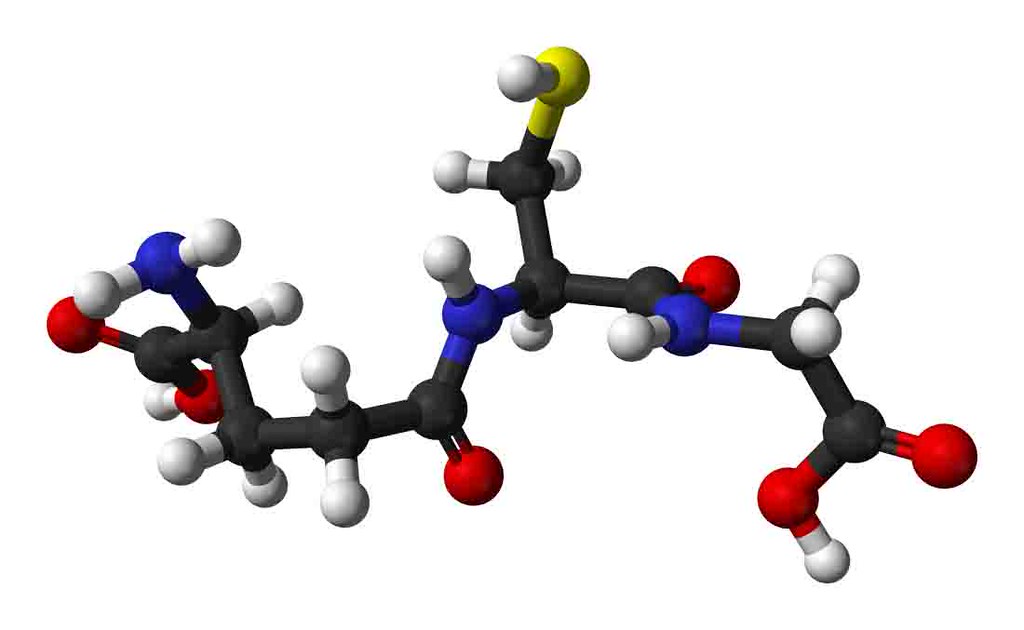
Glutathione (γ-L-glutamyl-L-cysteinylglycine) is a ubiquitous tripeptide composed of three amino acids: glutamate, cysteine, and glycine. Unlike standard peptides linked by alpha-carboxyl groups, glutathione features a unique gamma-glutamyl bond between the glutamate and cysteine residues. This unconventional linkage is crucial, as it protects the molecule from rapid degradation by standard peptidases in biological matrices, making it highly stable for various research and formulation applications.
In biochemical research, glutathione raw material is primarily valued for its profound redox properties. The thiol group on its cysteine residue acts as a primary electron donor, facilitating critical reduction-oxidation reactions in cellular models. For cosmetic OEMs and research laboratories, the structural integrity of this thiol group is paramount. Any degradation or oxidation during synthesis or storage can compromise the material’s efficacy, underscoring the need for stringent supply chain controls and inert atmospheric packaging.
Advanced Synthesis and Supply Chain Dynamics
The commercial production of glutathione raw material has historically relied on either extraction from yeast or chemical synthesis. However, modern supply chains are increasingly adopting advanced peptide synthesis principles to improve yield, purity, and environmental sustainability. Recent innovations in water-based solid-phase peptide synthesis and diastereocontrolling methodologies have revolutionized the scale-up of short peptides like glutathione.
By leveraging these advanced aqueous-phase techniques, manufacturers can significantly reduce the reliance on harsh organic solvents, aligning with the green chemistry mandates of modern OEM/ODM operations. Furthermore, controlling the stereochemistry during the coupling of the gamma-glutamyl bond ensures that the final raw material consists almost exclusively of the biologically active L-isomer. For B2B buyers, partnering with suppliers who utilize these next-generation synthesis protocols guarantees a more consistent, scalable, and high-purity supply of glutathione raw material, minimizing batch-to-batch variability in downstream formulations.
Analytical Validation and Quality Control Protocols
The Quality of glutathione raw material is directly dictated by the rigor of its analytical validation. Because of its susceptibility to oxidation (forming glutathione disulfide), standard purity assessments must be highly sensitive. Reputable suppliers utilize a combination of HPLC and Mass Spectrometry to establish a comprehensive Certificate of Analysis (COA).
Reverse-phase HPLC is the gold standard for quantifying peptide purity and detecting oxidized impurities or deletion sequences. Concurrently, mass spectrometry confirms the exact molecular weight, verifying the identity of the tripeptide and ensuring no structural anomalies are present. Below is a standard analytical framework expected from a premium supplier:
| Parameter | Methodology | Acceptance Criteria |
|---|---|---|
| Peptide Purity | Reverse-Phase HPLC | ≥ 98.0% |
| Molecular Identity | Mass Spectrometry (ESI or MALDI) | Matches theoretical mass (± 0.1%) |
| Water Content | Karl Fischer Titration | ≤ 5.0% |
| Specific Rotation | Polarimetry | -19.0° to -22.0° |
| Residual Solvents | Gas Chromatography | Complies with ICH Q3C guidelines |
B2B buyers should always request a batch-specific COA that details these parameters. Transparency in analytical testing is a hallmark of a reliable raw material supplier and ensures compliance with international formulation standards.
Formulation Synergies in Cosmetic OEM and Laboratory Research
In the realm of cosmetic OEM and topical product development, glutathione raw material is frequently incorporated for its brightening and antioxidant properties in in vitro models. Formulators often explore synergistic combinations to enhance the overall performance of their research formulations. For instance, combining glutathione with other advanced research compounds such as GHK-Cu can provide a comprehensive approach to studying cellular renewal and structural protein support in laboratory settings.
Additionally, the intersection of redox biology and cellular energy research has led to the concurrent evaluation of glutathione alongside coenzymes like NAD+. In analytical research, studying the interplay between these molecules helps elucidate complex metabolic pathways and oxidative stress responses. When formulating or preparing research samples, it is critical to maintain strict pH controls and utilize chelating agents to prevent metal-catalyzed oxidation, thereby preserving the integrity of the raw material throughout the development lifecycle.
Conclusion
Sourcing high-quality glutathione raw material requires a meticulous evaluation of synthesis methodologies, analytical validation, and supply chain reliability. By prioritizing advanced manufacturing techniques and rigorous quality control, B2B buyers can secure the premium materials necessary to drive innovation in cosmetic formulation and biochemical research. As the industry continues to evolve, maintaining strict adherence to analytical standards will remain the cornerstone of successful peptide procurement.
PeptaCo supplies materials for qualified research, analytical, and formulation-development purposes. Products are not intended for direct consumer use.