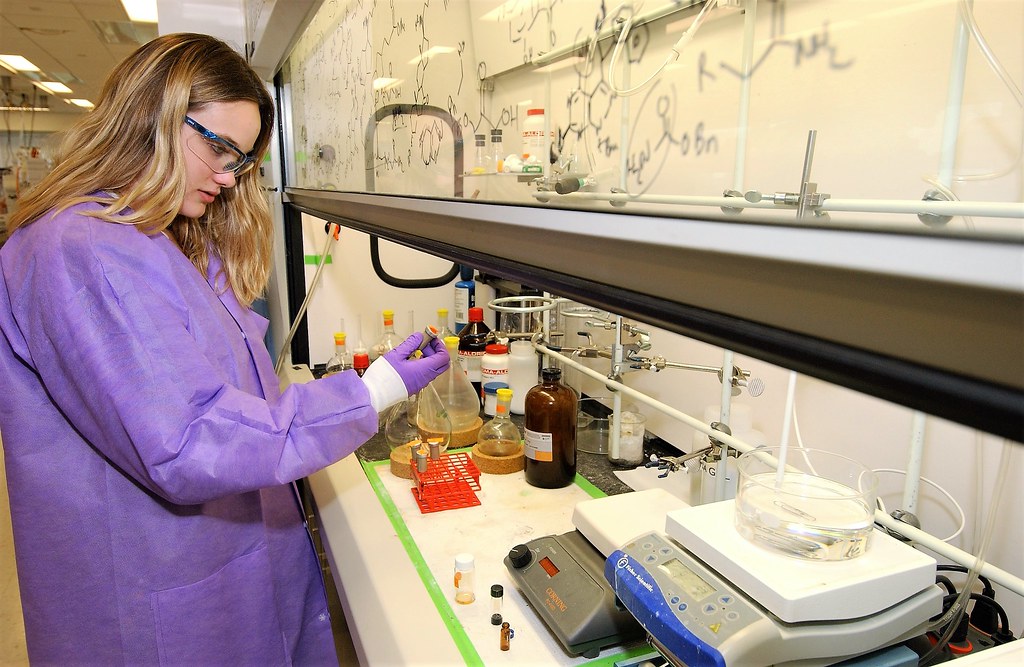
Core QA Applications in Peptide OEM Formulation
The landscape of peptide OEM formulation demands rigorous analytical oversight and strict supply-chain management. When transitioning from raw material sourcing to final product development, establishing robust Quality protocols is the foundational step for any laboratory or manufacturing facility. Partnering with certified OEM/ODM providers ensures that every stage of the formulation process adheres to stringent analytical standards.
In peptide OEM formulation, Quality Assurance extends beyond simple identity verification. It encompasses a comprehensive evaluation of the raw material’s physical and chemical properties, ensuring compatibility with the intended delivery matrix. Establishing a qualified vendor network and requiring detailed documentation for every batch mitigates supply-chain risks and guarantees the reproducibility of analytical results.
Analytical Verification and Documentation
A comprehensive COA is non-negotiable in professional formulation environments. This document serves as the primary analytical reference, detailing the purity, identity, and concentration of the raw material. Advanced analytical techniques, particularly HPLC and Mass Spectrometry, are utilized to verify the molecular weight and detect any sequence variants or truncation impurities that may have formed during synthesis.
For specialized applications, such as cosmetic OEM formulation, the analytical profile must align with specific regulatory and stability requirements. When sourcing materials like SNAP-8 for topical or transdermal matrices, formulators must verify that the peptide maintains its structural integrity and biological activity profile within the chosen excipient system. Continuous laboratory evaluation of these parameters ensures that the final formulation meets the precise specifications required for high-end cosmetic and research applications.
Handling and Stability Protocols for Sensitive Compounds
Peptides are inherently sensitive to environmental stressors, including temperature fluctuations, light exposure, and oxidative degradation. General lab handling protocols dictate that lyophilized peptides should be stored at ultra-low temperatures, typically between -20°C and -80°C, to preserve long-term structural integrity. Once reconstituted, solutions must be aliquoted to prevent repeated freeze-thaw cycles, which can accelerate aggregation and deamidation.
In the receptor research landscape, evaluating complex research compounds requires even stricter environmental controls. For instance, when conducting laboratory evaluation of Semaglutide, maintaining precise pH levels and utilizing appropriate stabilizing agents during the reconstitution phase is critical. Proper handling protocols not only preserve the analytical reference standards but also ensure that the data generated during in vitro studies remains accurate and reproducible.
Formulation Matrix Considerations and Excipient Compatibility
Selecting the appropriate excipient matrix is a critical variable in peptide OEM formulation. The compatibility between the active peptide and the surrounding matrix determines the stability, solubility, and overall efficacy of the final product. Formulators must conduct extensive compatibility studies to identify potential interactions, such as peptide adsorption to container surfaces or catalytic degradation by specific buffer components.
| Formulation Parameter | Standard Protocol | Analytical Verification |
|---|---|---|
| pH Optimization | Buffer selection based on peptide isoelectric point | Potentiometric titration and stability profiling |
| Tonicity Adjustment | Isotonic agent integration for cellular compatibility | Osmometry and freeze-thaw stress testing |
| Surfactant Integration | Non-ionic surfactant addition to prevent aggregation | Dynamic light scattering and turbidity analysis |
| Antimicrobial Preservation | Bacteriostatic agent validation for multi-dose vials | Challenge testing and preservative efficacy assays |
Understanding these matrix considerations is particularly important when working with metal-binding peptides. For example, formulating GHK-Cu requires careful attention to the copper complexation ratio and the pH of the final solution to prevent precipitation and ensure optimal stability. By systematically evaluating these parameters, formulators can develop robust products that maintain their analytical profile throughout their designated shelf life.
Conclusion
Successful peptide OEM formulation relies on a meticulous approach to raw material sourcing, analytical verification, and handling protocols. By prioritizing rigorous QA applications and understanding the complex interactions within formulation matrices, laboratories and manufacturing facilities can ensure the highest standards of quality and consistency. Continuous investment in analytical infrastructure and staff training remains essential for navigating the evolving demands of the peptide supply chain.
PeptaCo supplies materials for qualified research, analytical, and formulation-development purposes. Products are not intended for direct consumer use.