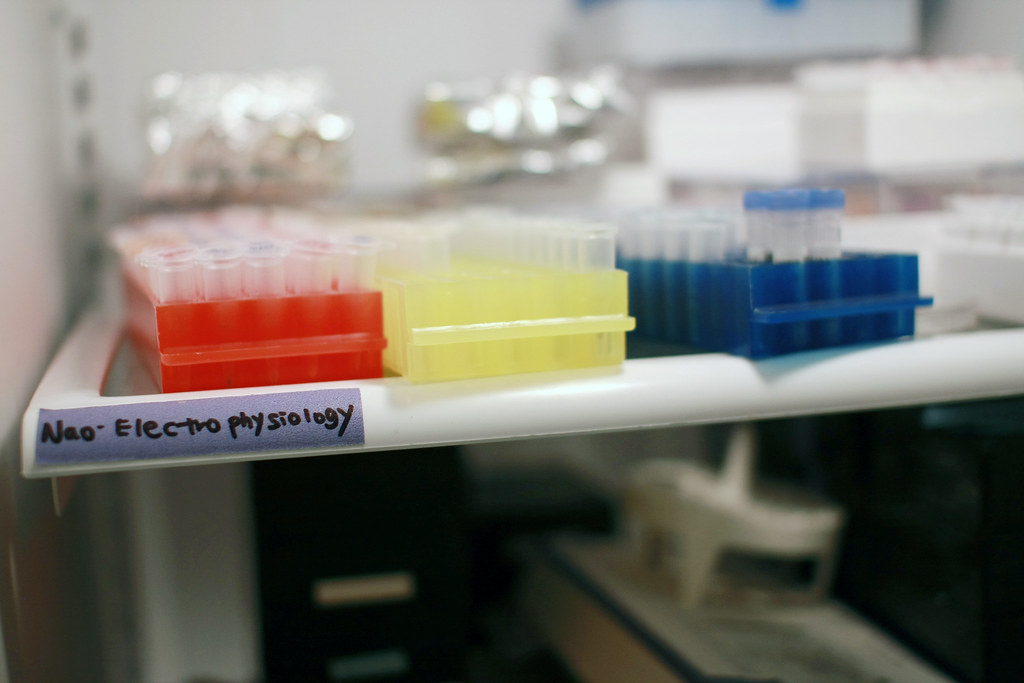
In the specialized supply chain of raw materials, maintaining the structural fidelity of short-chain amino acids is paramount. Recent literature on nanopore-based massively parallel sensing and heterochiral phase separation underscores how delicate molecular conformations can be when exposed to environmental stressors. For B2B buyers, research laboratories, and cosmetic OEMs, understanding the nuances of peptide storage is not merely a logistical concern—it is a critical analytical requirement. Improper handling can lead to aggregation, oxidation, or deamidation, fundamentally altering the profile of an analytical reference. This Q&A addresses the most pressing questions regarding the preservation of research compounds and raw materials.
Q1: Why is strict temperature control critical for maintaining peptide structural integrity?
Temperature fluctuations are the primary catalyst for molecular degradation in raw materials. Advanced structural analyses, including recent insights into phase separation amplified by ionic interactions, demonstrate that thermal variance can induce irreversible conformational shifts. When a research compound is exposed to ambient temperatures for extended periods, the kinetic energy in the system can disrupt hydrogen bonding and hydrophobic interactions. This disruption often leads to the formation of insoluble aggregates or amyloid-like fibrils. For laboratories utilizing high-resolution analytical techniques, these aggregates can skew data and compromise the reliability of the receptor research landscape. Maintaining a continuous cold chain—typically between 2°C and 8°C for short-term, and -20°C for long-term—is essential to arrest these thermodynamic processes and preserve the native secondary structure of the molecule.
Q2: How does lyophilization impact long-term peptide storage stability?
Lyophilization, or freeze-drying, is the gold standard for the long-term preservation of raw materials. By removing water through sublimation under a vacuum, lyophilization eliminates the medium required for hydrolytic cleavage and microbial proliferation. In its lyophilized state, a compound like GHK-Cu can remain stable for years when stored at -20°C. The removal of moisture drastically reduces the molecular mobility within the solid matrix, effectively locking the peptide in its synthesized conformation. However, the lyophilization process itself must be carefully controlled. Inadequate freezing or improper primary drying can lead to collapse of the lyophilized cake, increasing the surface area exposed to residual oxygen and accelerating oxidative degradation. Buyers should always verify that their supplier utilizes controlled lyophilization protocols to ensure maximum shelf-life stability.
Q3: What are the best practices for storing reconstituted peptide solutions?
Once a lyophilized powder is reconstituted with a sterile solvent, the stability profile changes dramatically. The introduction of an aqueous environment reactivates the potential for hydrolysis and enzymatic degradation, should any contaminants be present. For cosmetic OEMs formulating products with compounds like SNAP-8, or laboratories preparing analytical references, reconstituted solutions should be handled with strict aseptic techniques. Best practices include aliquoting the reconstituted solution into single-use volumes to prevent repeated freeze-thaw cycles. Each freeze-thaw cycle introduces mechanical shear stress and temperature fluctuations that can fracture the molecular structure. Furthermore, reconstituted solutions should be stored at 2°C to 8°C and utilized within a strictly defined timeframe, typically 3 to 7 days, depending on the specific sequence and solvent used.
Q4: How do storage conditions affect the analytical purity of complex research compounds?
Complex, long-chain research compounds are particularly susceptible to environmental degradation. Molecules in the GLP-1 receptor research landscape, such as Semaglutide and Tirzepatide, possess intricate structural requirements and specific fatty acid modifications that can be highly sensitive to oxidative and thermal stress. If stored improperly, these compounds may undergo deamidation at specific asparagine or glutamine residues, or oxidation at methionine residues. These modifications alter the molecular weight and charge, which can be readily detected via HPLC and Mass Spectrometry. A shift in the chromatographic profile indicates a loss of analytical purity, rendering the batch unsuitable for precise in vitro evaluations. Therefore, storing these complex analytical references in inert, argon-flushed vials at ultra-low temperatures is mandatory to preserve their exact synthesized profile.
| Storage State | Recommended Temperature | Primary Degradation Risks | Expected Stability |
|---|---|---|---|
| Lyophilized Powder | -20°C or below | Oxidation, minimal hydrolysis | 12 to 24+ months |
| Reconstituted Solution | 2°C to 8°C | Hydrolysis, aggregation, microbial | 3 to 7 days |
| Frozen Aliquots | -20°C or -80°C | Freeze-thaw shear stress | 1 to 3 months per aliquot |
Q5: What role does packaging and documentation play in storage compliance?
The physical packaging of raw materials is the first line of defense against environmental degradation. High-quality borosilicate glass vials with inert septa prevent the leaching of silicates and minimize gas permeability. For sensitive research compounds, vacuum-sealing or backfilling with inert gases like argon further mitigates oxidative risks. Beyond the physical container, comprehensive documentation is vital for supply chain traceability. Every batch should be accompanied by a detailed COA that outlines the initial purity, moisture content, and specific storage parameters validated by the manufacturer. Adhering to these documented parameters is a core component of a facility’s overall Quality management system. By aligning internal handling protocols with the supplier’s validated storage data, laboratories ensure that the analytical integrity of the raw material is maintained from receipt through to final application.
PeptaCo supplies materials for qualified research, analytical, and formulation-development purposes. Products are not intended for direct consumer use.