In the B2B landscape of peptide raw material sourcing, the COA serves as the foundational document for quality assurance and regulatory compliance. However, for analytical laboratories, compounding pharmacies, and cosmetic OEMs, a certificate is only as reliable as the analytical methodologies used to generate it. Relying on a single analytical technique can obscure critical impurities or sequence variations. Therefore, modern supply chain QA demands orthogonal verification to ensure the integrity of complex research compounds.
The Role of Orthogonal Analytics in Peptide COA Generation
Orthogonal testing refers to the use of multiple, independent analytical methods to characterize a single sample. When evaluating a peptide COA, buyers must verify that the manufacturer has employed complementary techniques to confirm identity, purity, and concentration. A single high-performance liquid chromatography (HPLC) run, for instance, might indicate high purity but cannot definitively confirm the molecular weight or identify co-eluting impurities with similar retention times.
By integrating orthogonal methods, analytical laboratories can cross-validate data. If the purity reported by reversed-phase chromatography aligns with the quantitative data from amino acid analysis and the exact mass confirmed by spectrometry, the confidence in the raw material’s specification increases exponentially. This rigorous approach is especially critical for long-chain or structurally modified research compounds where minor synthetic deviations can significantly alter physicochemical properties.
Core Analytical Methods Validating Peptide COA Metrics
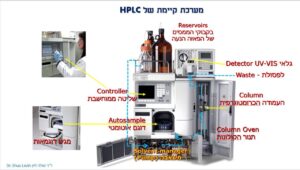
The backbone of any comprehensive peptide COA relies on a combination of separation science and structural elucidation. HPLC remains the gold standard for assessing chromatographic purity and quantifying the main peak area. For complex research compounds like Semaglutide or Tirzepatide, gradient elution strategies are optimized to separate the target peptide from deletion sequences, truncation products, and oxidation variants.
Complementing chromatographic separation, Mass Spectrometry provides definitive molecular weight confirmation. Electrospray ionization (ESI) or Matrix-Assisted Laser Desorption/Ionization (MALDI) techniques are utilized to verify the exact mass of the peptide, ensuring the synthesized sequence matches the theoretical structure. When evaluating a COA, analytical buyers should look for both the calculated mass and the found mass, with the delta typically required to be within a stringent tolerance (e.g., ±0.1 Da).
Evaluating Impurity Profiles and Sequence Verification
Beyond identity and gross purity, advanced COAs must detail specific impurity profiles and sequence verification. Amino Acid Analysis (AAA) is frequently employed to determine the precise concentration of the peptide based on its constituent amino acid composition, providing a highly accurate quantification metric independent of chromophore assumptions.
For specialized raw materials, such as the cosmetic research peptide GHK-Cu or the laboratory reference BPC-157, peptide mapping and counter-ion analysis are also vital. Peptide mapping involves enzymatic or chemical cleavage followed by MS analysis to confirm the sequence and locate any post-translational modifications or synthetic errors. Furthermore, ion chromatography is used to quantify counter-ions (such as acetate or trifluoroacetate), which directly impacts the net peptide content and the overall salt form of the raw material. These metrics are non-negotiable for OEM/ODM formulations where precise stoichiometry is required.
| Analytical Method | Primary Target | QA Application in Peptide COA |
|---|---|---|
| RP-HPLC | Chromatographic Purity | Quantifies main peak and detects hydrophobic impurities |
| Mass Spectrometry | Molecular Identity | Confirms exact mass and detects major adducts |
| Amino Acid Analysis | Quantification & Composition | Verifies amino acid stoichiometry and absolute concentration |
| Ion Chromatography | Counter-Ion Content | Determines acetate/TFA levels for net peptide calculation |
| Peptide Mapping | Sequence Verification | Confirms primary structure and identifies sequence variants |
Supply Chain QA: Aligning COA Data with Formulation Requirements
For B2B buyers, interpreting a peptide COA extends beyond merely checking if the purity meets a baseline threshold. It requires aligning the analytical data with the specific requirements of the intended downstream application. A compounding pharmacy or cosmetic formulator must evaluate the net peptide content, which accounts for water, residual solvents, and counter-ions, rather than relying solely on the chromatographic purity percentage.
Establishing a robust vendor qualification program ensures that the analytical infrastructure of the supplier matches the Quality expectations of the buyer. Requesting raw chromatograms, mass spectra, and detailed method parameters alongside the final certificate allows in-house QA teams to independently verify the data. In the rapidly evolving landscape of peptide research and formulation, orthogonal analytical verification on the COA is not just a regulatory checkbox; it is a critical supply chain safeguard that ensures reproducibility, safety, and efficacy in advanced laboratory and OEM environments.
PeptaCo supplies materials for qualified research, analytical, and formulation-development purposes. Products are not intended for direct consumer use.