The Critical Role of a Peptide COA in Raw Material Sourcing
In the complex landscape of biotech supply chains, the peptide COA (Certificate of Analysis) serves as the foundational document for raw material verification. For B2B buyers, compounding pharmacies, cosmetic OEMs, and research organizations, a COA is not merely a administrative formality; it is the primary analytical ledger that confirms the identity, purity, and compositional integrity of a synthesized batch. Misinterpreting or blindly trusting this document can lead to severe downstream formulation failures, analytical discrepancies, and compromised research outcomes.
As the demand for high-quality research compounds and formulation-grade raw materials accelerates, procurement teams and quality assurance (QA) professionals must possess a rigorous understanding of the analytical data presented on these certificates. A comprehensive COA provides a multi-dimensional profile of the raw material, detailing the results of orthogonal testing methodologies used to verify that the synthesized peptide matches its theoretical structural and chemical specifications.
Key Analytical Parameters to Verify on Every Certificate
A standard certificate will include several critical analytical metrics. However, the true value lies in understanding the limitations and specific applications of each reported parameter.
Chromatographic Purity vs. Actual Peptide Content
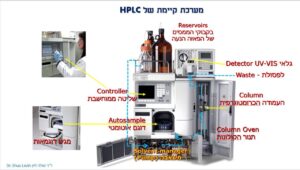
One of the most common pitfalls in raw material sourcing is conflating chromatographic purity with actual peptide content. Reversed-phase HPLC with UV detection is the industry standard for assessing purity, typically reporting a value such as >98% or >99%. However, UV absorbance only measures the presence of aromatic amino acids and does not account for non-peptidic impurities such as water, residual salts, or counter-ions.
To determine the actual mass of the peptide in the vial, buyers must look for the “Peptide Content” parameter, often determined via Amino Acid Analysis (AAA), quantitative NMR (qNMR), or specialized UV spectrophotometry. A batch may exhibit 99% HPLC purity but only 85% peptide content due to high hygroscopic moisture or residual trifluoroacetic acid (TFA). For precise laboratory evaluation and formulation scaling, knowing the exact peptide content is non-negotiable.
Mass Spectrometry and Sequence Identity
While chromatography confirms homogeneity, it cannot definitively prove the amino acid sequence. Mass Spectrometry (MS) is required for structural verification. Intact mass analysis confirms the molecular weight of the primary peptide chain, ensuring the correct sequence was synthesized without major deletions or truncations.
For complex, long-chain molecules or GLP-1 receptor research compounds such as Semaglutide and Tirzepatide, intact mass alone may be insufficient due to the sheer size of the molecule and potential isobaric impurities. In these advanced research landscapes, peptide mapping via LC-MS/MS is often required to verify sequence identity and locate specific impurities. The COA should clearly display the expected theoretical mass alongside the experimentally observed mass-to-charge (m/z) ratios.
Orthogonal Testing and Data Integrity in Peptide QA
Robust Quality assurance relies on orthogonal testing—using multiple, fundamentally different analytical techniques to measure the same critical quality attribute. Relying on a single analytical method leaves blind spots in the data.
“Data integrity in peptide analytics is achieved not by the volume of data generated, but by the orthogonal correlation of independent analytical methods. A single HPLC chromatogram cannot replace the structural certainty provided by tandem mass spectrometry.”
Beyond purity and identity, a rigorous COA must address the counter-ion profile and residual solvents. Solid-phase peptide synthesis (SPPS) and subsequent RP-HPLC purification typically utilize TFA as an ion-pairing agent. Consequently, the final lyophilized powder often contains TFA as a counter-ion. High levels of TFA can alter the pH of reconstituted solutions, impact solubility, and introduce variability in biological assays. A comprehensive COA will quantify the TFA content and, where applicable, detail the counter-ion exchange process (e.g., converting TFA to acetate or chloride) to ensure the raw material is optimized for its intended analytical or formulation application.
Sourcing Strategies for OEM and Laboratory Applications
For organizations engaged in OEM/ODM formulation development, the COA acts as a predictive tool for manufacturing scalability. When sourcing raw materials like Glutathione for cosmetic or research applications, the moisture content and counter-ion profile detailed on the COA directly influence excipient compatibility and long-term solid-state stability.
Procurement strategies should mandate that suppliers provide COAs with full methodological transparency. This includes specifying the exact HPLC column chemistry, gradient elution parameters, and MS ionization techniques used. This transparency allows receiving laboratories to replicate the analytical conditions, ensuring seamless method transfer and verifying that the received batch perfectly aligns with the supplier’s release specifications.
| Analytical Method | Parameter Measured | Typical Acceptance Criteria | QA Significance |
|---|---|---|---|
| RP-HPLC (UV) | Chromatographic Purity | ≥ 95.0% – 99.0% | Measures organic impurities and synthesis byproducts. |
| LC-MS / MALDI-TOF | Intact Mass / Identity | Within ± 0.1% of theoretical | Confirms molecular weight and primary sequence identity. |
| AAA / qNMR | Peptide Content | ≥ 80.0% – 95.0% | Quantifies actual peptide mass excluding water and salts. |
| Ion Chromatography | Counter-Ion (e.g., TFA) | ≤ 5.0% – 15.0% | Ensures counter-ion levels are suitable for downstream use. |
| Karl Fischer Titration | Water Content | ≤ 5.0% – 8.0% | Verifies lyophilization efficiency and solid-state stability. |
Ultimately, mastering the interpretation of a peptide COA is a critical competency for any B2B buyer in the biotech and research sectors. By demanding comprehensive analytical data, verifying orthogonal testing results, and understanding the distinction between purity and content, organizations can secure high-integrity raw materials that drive successful research and formulation outcomes.
PeptaCo supplies materials for qualified research, analytical, and formulation-development purposes. Products are not intended for direct consumer use.