Plan a peptide sample-recovery study with container comparisons, transfer controls, traceable handling records, and evidence-based criteria for laboratory use.
Peptide Sample Recovery: Containers, Transfers, and Controls
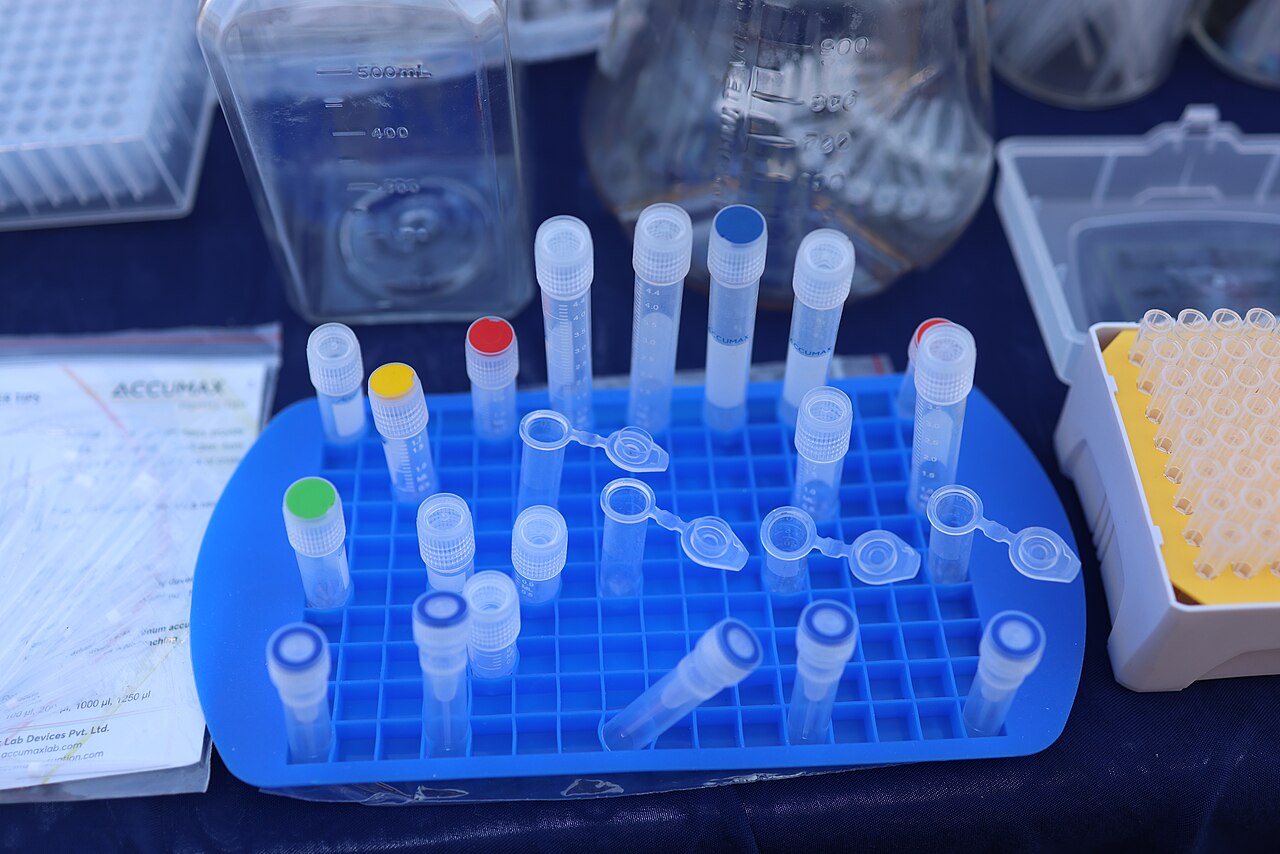
Plan a peptide sample-recovery study with container comparisons, transfer controls, traceable handling records, and evidence-based criteria for laboratory use.
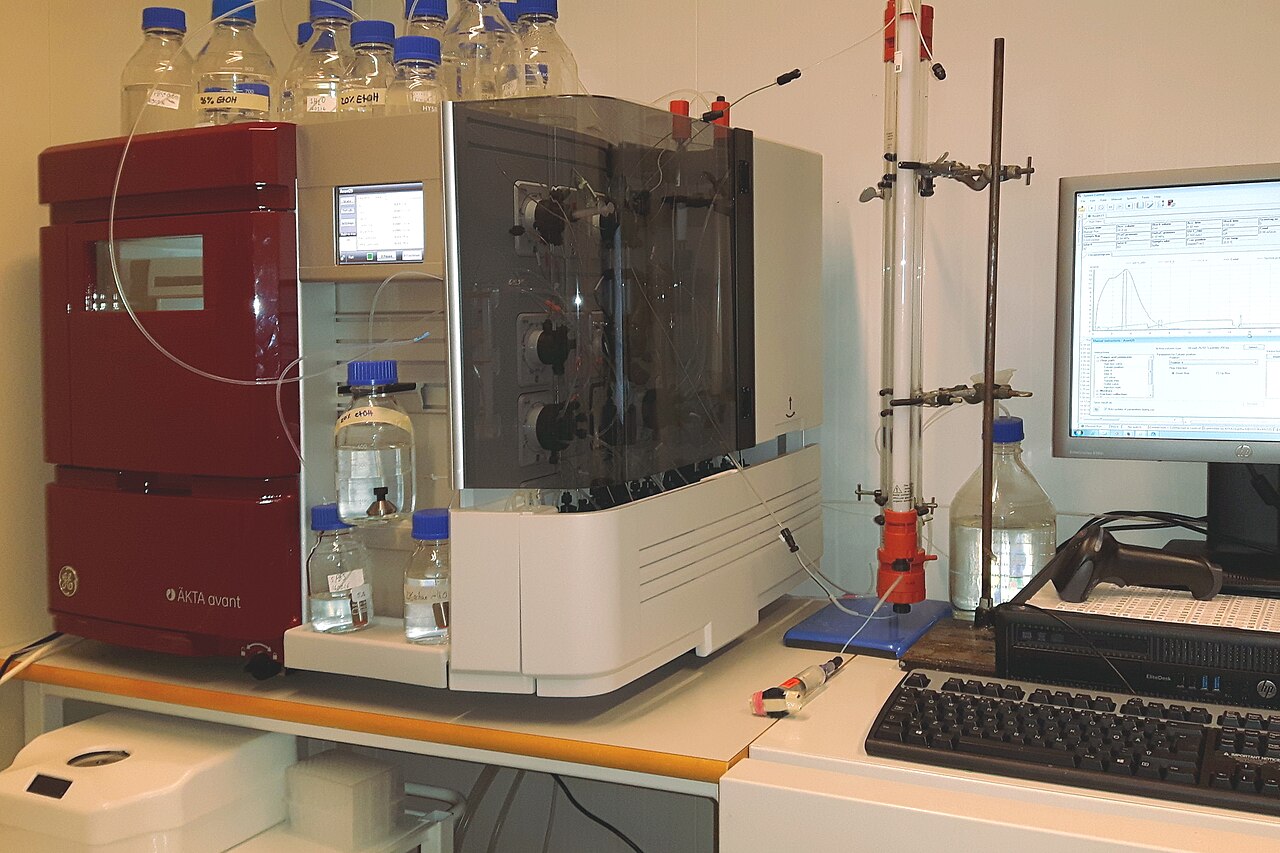
A practical guide to reviewing peptide supplier changes, comparing batch evidence, defining quality responsibilities, and qualifying an alternative source.
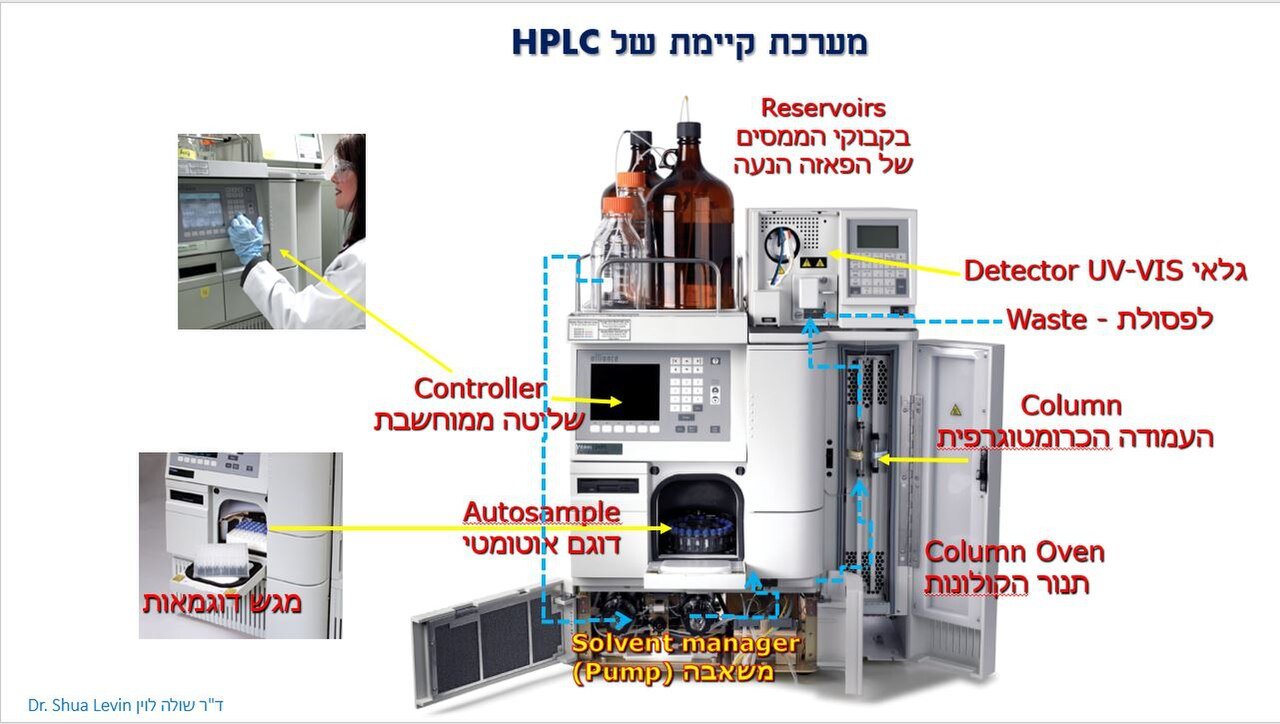
Learn why HPLC area purity differs from peptide content, how water and counterions affect results, and what buyers should check when comparing peptide batches.
Understand peptide counterions, acetate and TFA reporting, residual counterion testing, and the documentation needed to compare research raw material batches.
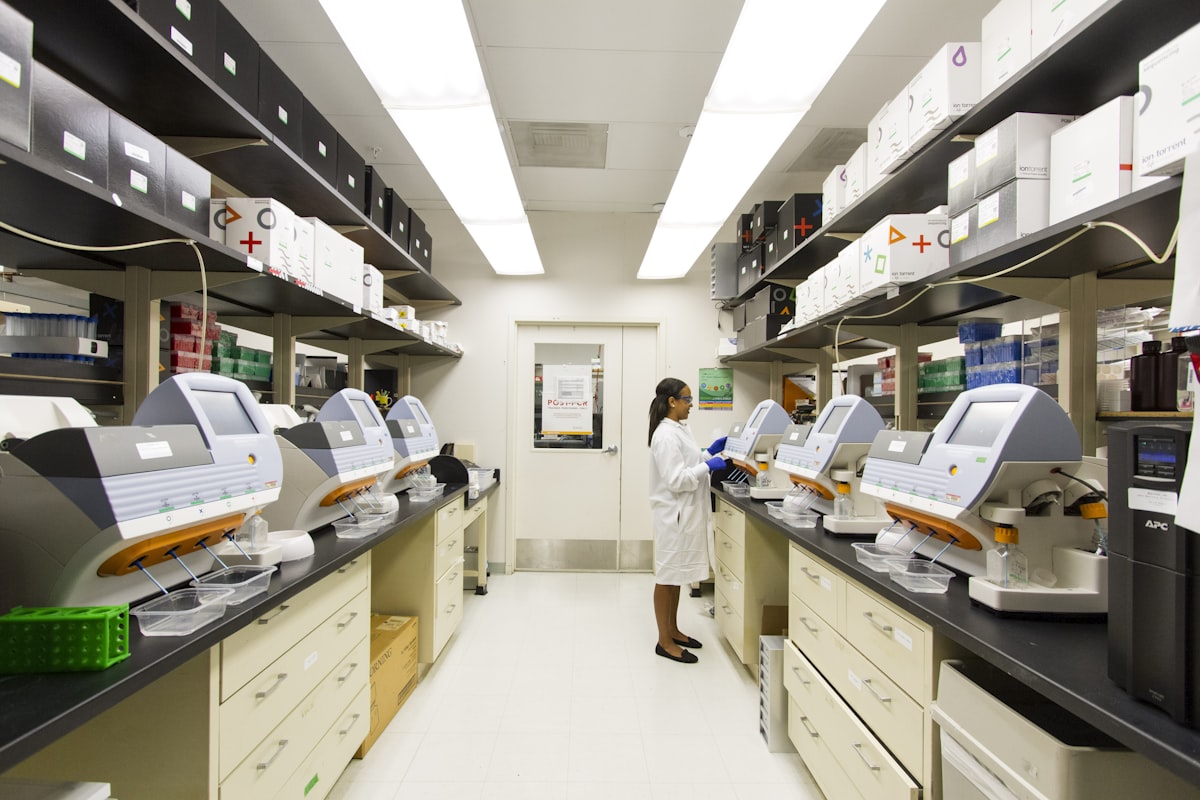
Discover critical QA workflows for peptide OEM formulation, including excipient compatibility, HPLC verification, and scale-up matrix analytics.

Explore current cosmetic peptide trends, analyzing how biotech capital flows influence OEM formulation, raw material sourcing, and analytical QA protocols.

Discover how downstream purification, chromatographic clearance, and rigorous endotoxin testing integrate into comprehensive QA for peptide raw materials.
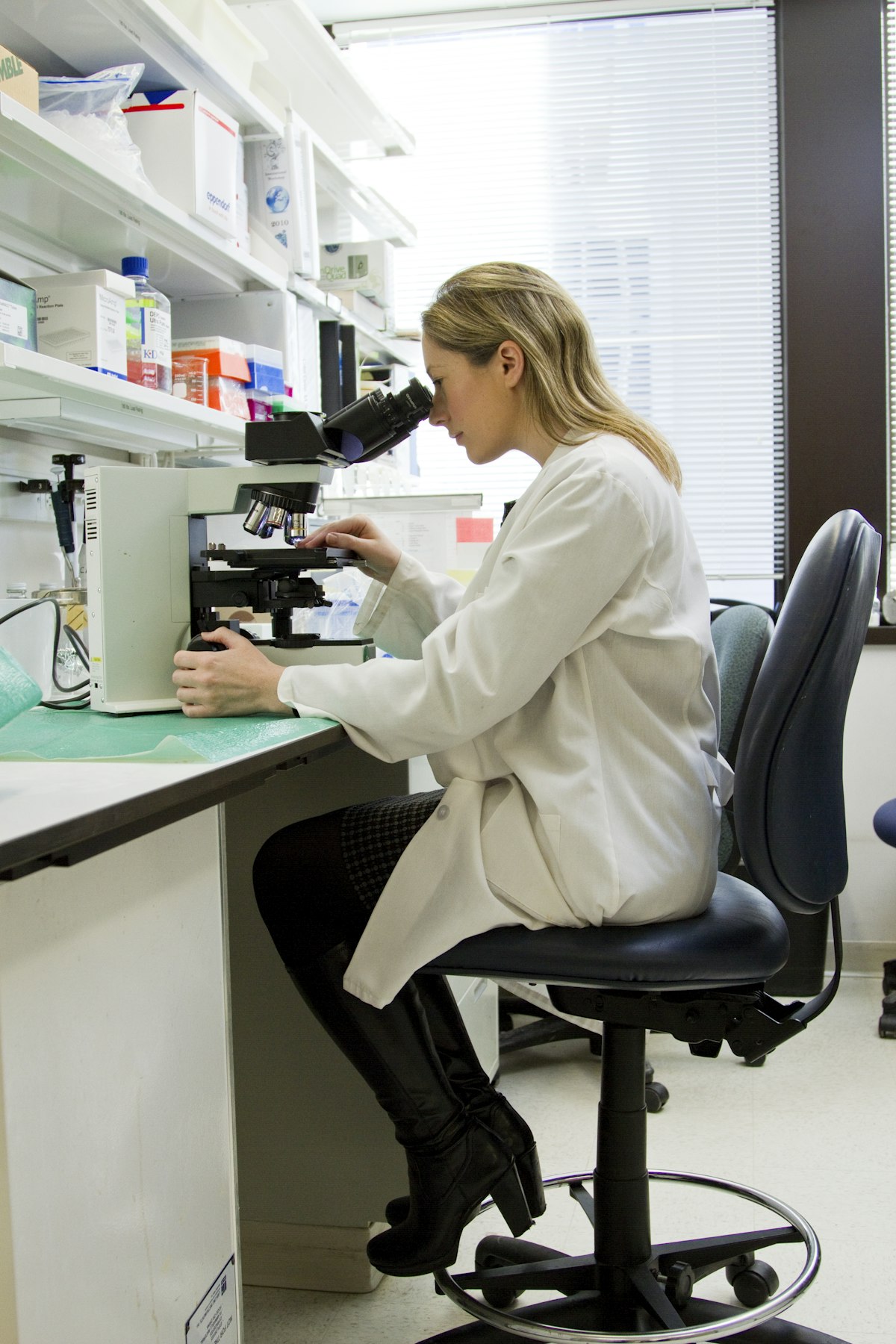
Understanding peptide storage physical chemistry is critical for maintaining structural integrity. This guide explores glass transition and headspace dynamics.
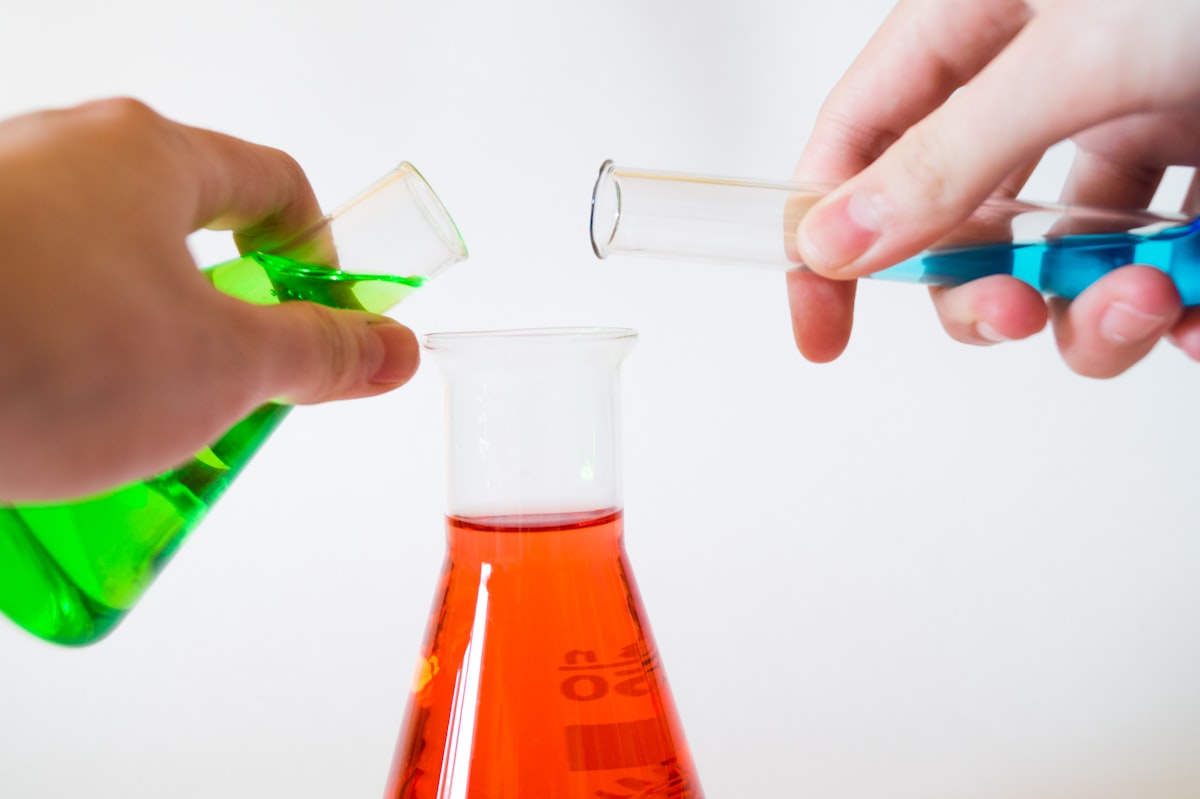
Recent biotech peptide news highlights significant capital inflows and AI integration, altering the landscape for advanced therapy raw material sourcing.
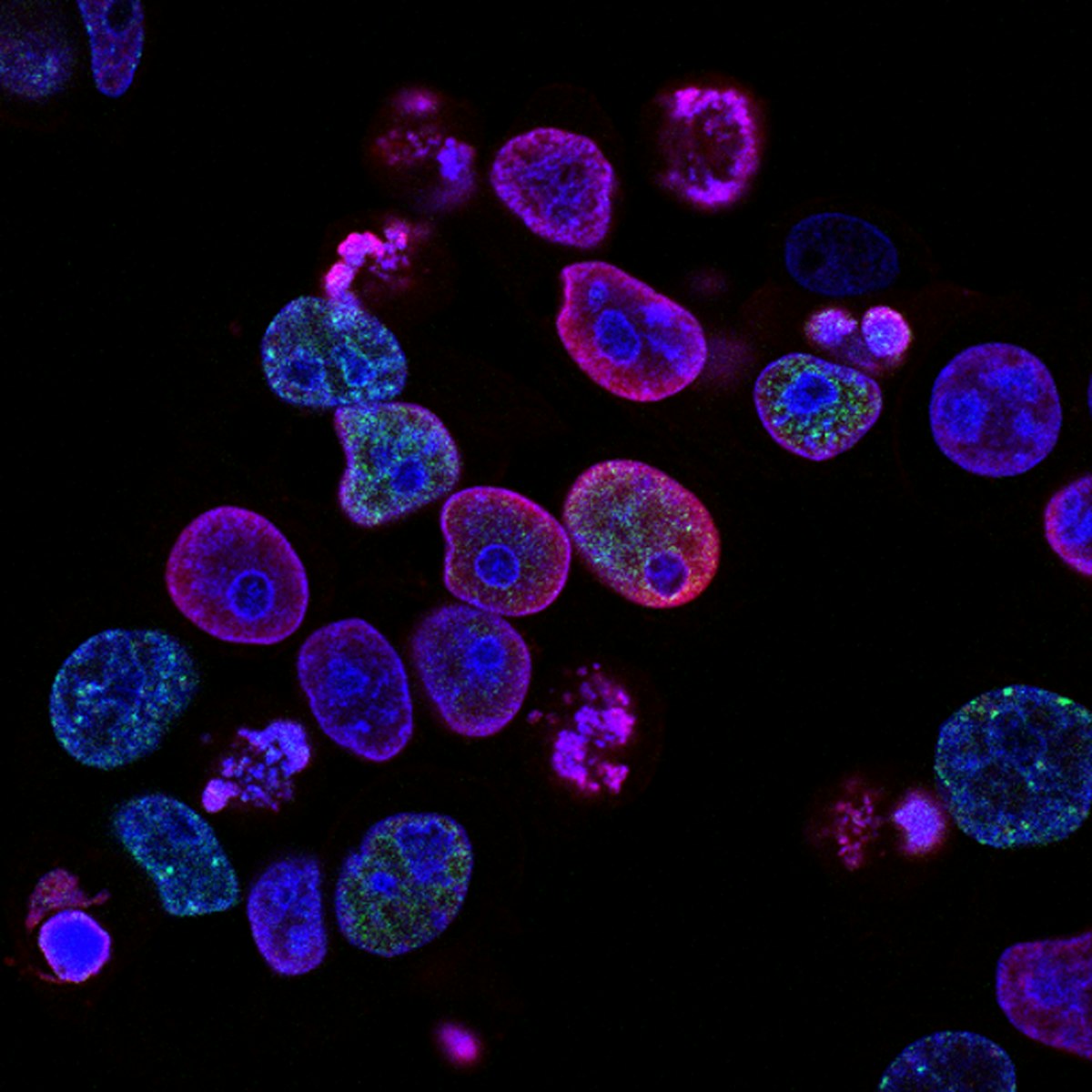
Discover how to overcome matrix interference in peptide endotoxin testing. Learn about LAL vs rFC methods and QA validation for raw material sourcing.