Introduction to the NAD Research Compound in Advanced Laboratories
The NAD research compound has become a cornerstone in modern biochemical and cellular research, serving as a critical coenzyme in redox reactions and metabolic pathway evaluations. As laboratory demands for high-fidelity analytical references grow, the structural integrity and purity of this coenzyme are paramount. Procurement teams and research directors must navigate complex supply chains to secure materials that meet rigorous analytical standards. Understanding the synthesis, conjugation, and verification protocols for the NAD research compound is essential for maintaining data reproducibility and ensuring compliance in formulation development.
Advanced Synthesis and Conjugation Methodologies
The production of high-purity coenzymes and their subsequent conjugation to peptide carriers relies on cutting-edge synthetic methodologies. Recent advancements in electrochemical synthesis have significantly improved the yield and purity of complex small molecules and peptides, reducing the reliance on harsh chemical reagents that can degrade sensitive functional groups. Furthermore, novel ligation techniques, such as ferricyanide-mediated direct ligation of peptide hydrazides in neutral aqueous environments, are enabling the creation of highly stable peptide-coenzyme conjugates.
These advanced conjugation strategies are particularly relevant when researchers are evaluating phase separation dynamics in heterochiral peptide-drug conjugates. By leveraging ionic interactions and precise structural modifications, laboratories can amplify the stability of these conjugates. For raw material suppliers, this means that the foundational building blocks, including the NAD+ research compound, must possess exceptional baseline purity to prevent side reactions during these sophisticated ligation processes.
Analytical Verification and Quality Control Protocols
Verifying the identity and purity of the NAD research compound requires a multi-tiered analytical approach. Relying on a single analytical method is insufficient for modern research applications. Instead, laboratories and suppliers must employ orthogonal techniques to build a comprehensive profile of the raw material.
High-Performance Liquid Chromatography (HPLC) remains the gold standard for assessing purity and detecting structural impurities. Advanced gradient elution strategies are utilized to separate the target coenzyme from closely related degradation products or synthetic byproducts. Coupled with Mass Spectrometry, researchers can confirm the exact molecular weight and fragmentation patterns, ensuring the structural identity of the compound.
A comprehensive Certificate of Analysis (COA) is the primary document for communicating these analytical results. A robust COA for the NAD research compound should detail the specific chromatographic conditions, retention times, mass-to-charge ratios, and quantitative purity percentages. Procurement specialists must rigorously review these documents to ensure the material meets the predefined acceptance criteria for their specific laboratory evaluations.
Analytical Parameters for NAD Research Compound Verification
| Analytical Parameter | Methodology | Standard Acceptance Criteria |
|---|---|---|
| Identity Confirmation | Mass Spectrometry (ESI-MS) | Matches theoretical molecular weight (± 0.1%) |
| Purity Assessment | Reverse-Phase HPLC | ≥ 98.0% by area normalization |
| Moisture Content | Karl Fischer Titration | ≤ 5.0% (w/w) |
| Residual Solvents | Gas Chromatography (GC) | Complies with ICH Q3C guidelines |
Supply Chain Dynamics and Raw Material Sourcing
The sourcing of the NAD research compound extends beyond simple procurement; it requires a strategic partnership with suppliers who understand the nuances of biochemical supply chains. For organizations engaged in OEM/ODM services, the consistency of raw materials across different production batches is critical. Supply chain disruptions or variations in synthetic routes can lead to batch-to-batch inconsistencies, which can severely impact downstream research and formulation development.
Establishing a rigorous Quality management system is non-negotiable. Suppliers must implement strict environmental controls during manufacturing, packaging, and storage to prevent the degradation of sensitive coenzymes. Furthermore, the supply chain must be transparent, allowing buyers to trace the material from the initial synthesis stage through to final analytical verification.
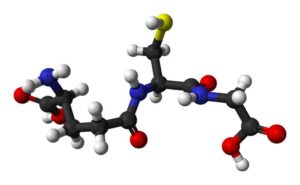
In many research frameworks, the NAD research compound is evaluated alongside other critical redox-active molecules. For instance, laboratories studying oxidative stress pathways often utilize the NAD research compound in parallel with Glutathione to model cellular defense mechanisms. Ensuring that both materials are sourced from suppliers with aligned quality standards simplifies the analytical workflow and enhances the reliability of the resulting data.
Conclusion
The NAD research compound is a vital asset in the landscape of biochemical research, requiring meticulous attention to synthesis, analytical verification, and supply chain management. By leveraging advanced conjugation methodologies and rigorous orthogonal analytical testing, laboratories can ensure the structural integrity of their raw materials. As the demand for high-purity coenzymes continues to grow, establishing robust quality protocols and transparent supply chains will remain the defining factors in successful research and formulation outcomes.
PeptaCo supplies materials for qualified research, analytical, and formulation-development purposes. Products are not intended for direct consumer use.